
Scandinavian Interior Design: A Complete Guide for 2026
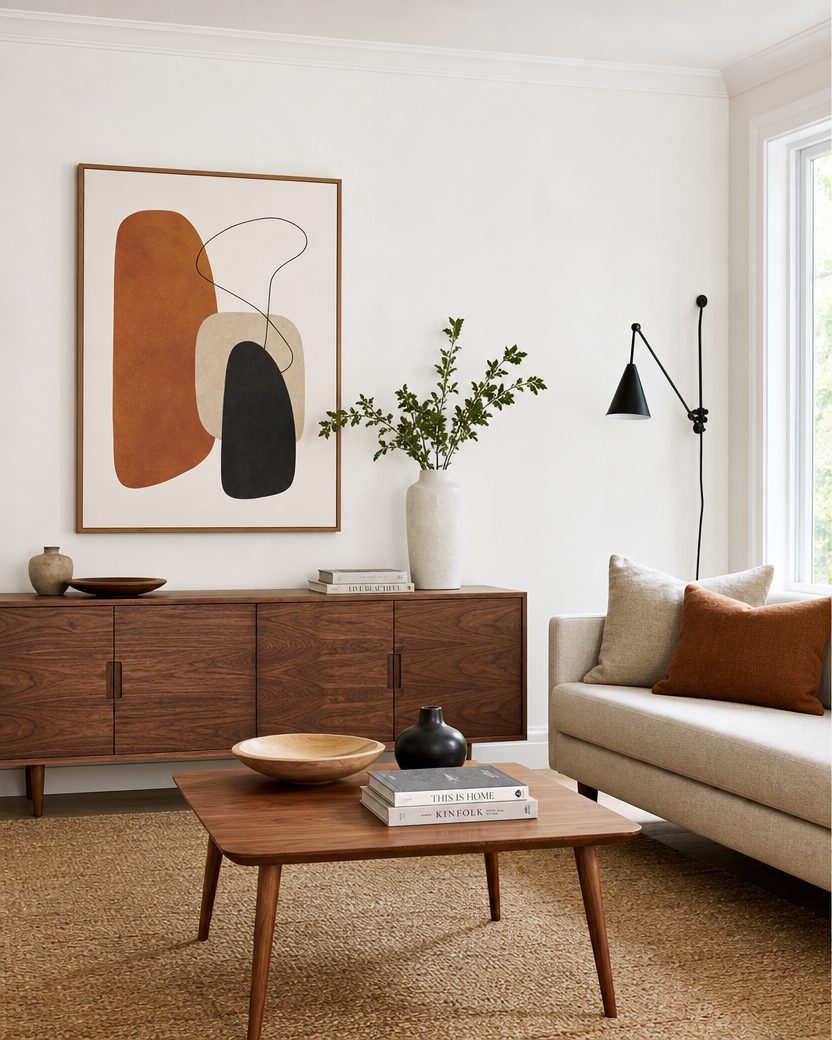
Scandinavian design has quietly shaped how the whole world decorates. Here's what actually makes a room read as Scandi — and how to bring it home.
Born in the long, dark winters of the Nordic countries, Scandinavian design is built around one goal: make a home feel light, calm, and genuinely livable. It's minimal without feeling cold, and that balance is exactly why it's endured for decades.
The core idea: light and function
Scandi interiors maximize natural light and keep only what earns its place. Every piece is useful and beautiful — never clutter for the sake of decoration.
The palette
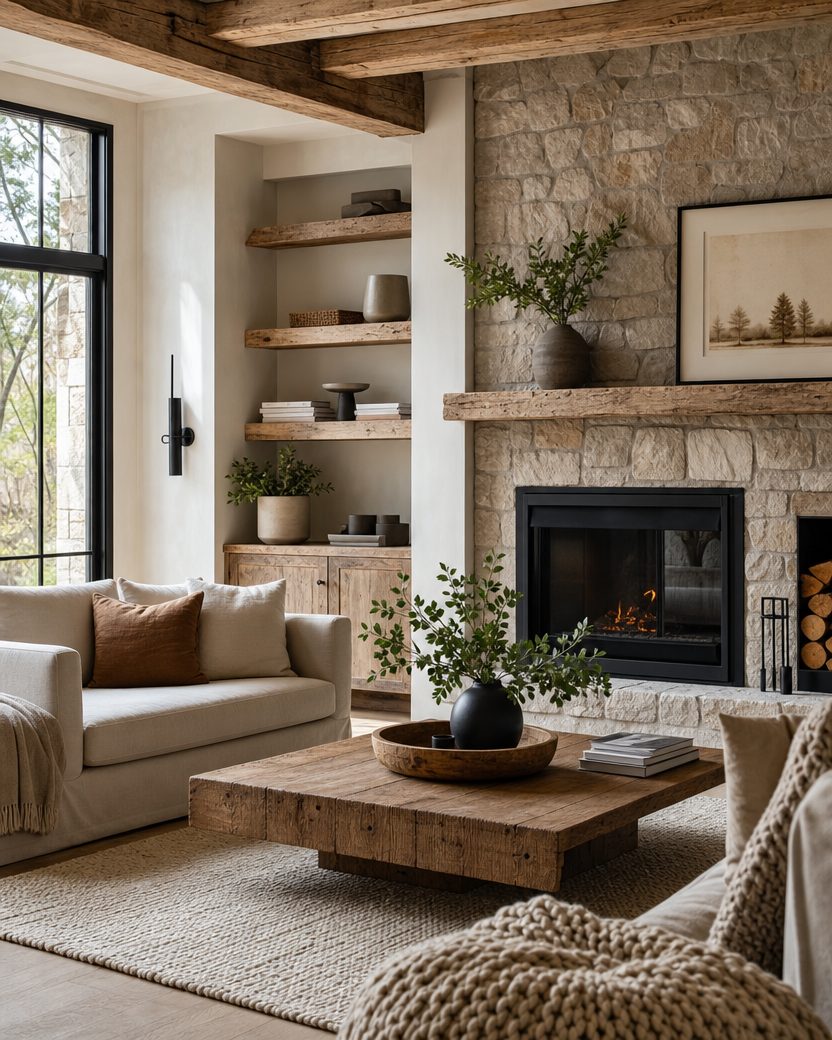
Start with a white or soft-grey base and layer warm neutrals: oatmeal, greige, pale wood. Accents stay muted — dusty blue, sage, black for contrast. The result is airy, never stark.
Materials and texture
Light woods (ash, birch, pale oak), wool and sheepskin throws, linen, and matte ceramics. Texture is what gives a near-monochrome room its warmth — this is the famous idea of hygge, coziness you can feel.
Furniture
Clean lines, tapered legs, functional silhouettes. Nothing bulky. A Scandi room leaves breathing room around each piece so light and the eye can move freely.
Common mistakes
- Going so minimal it feels empty — texture and a little warmth are essential.
- All-cool tones with no wood — the warmth is what makes it inviting.
- Clutter on open surfaces — Scandi lives and dies by restraint.
Scandinavian design proves calm and cozy aren't opposites — you can have both.
Is Scandinavian your style?
Lots of people are a Scandinavian blend — Scandi-coastal, Japandi (with a Japanese influence), or Scandi mid-century. Noma's quiz names your exact mix and builds a palette and mood board to match.
Find your Scandinavian blend
Take the free quiz and see how much Scandinavian is in your style — and what pairs with it.
Related reading: how to find your interior design style and how to make your whole home feel cohesive.