
Mid-Century Modern: A Complete Guide to the Style That Never Left
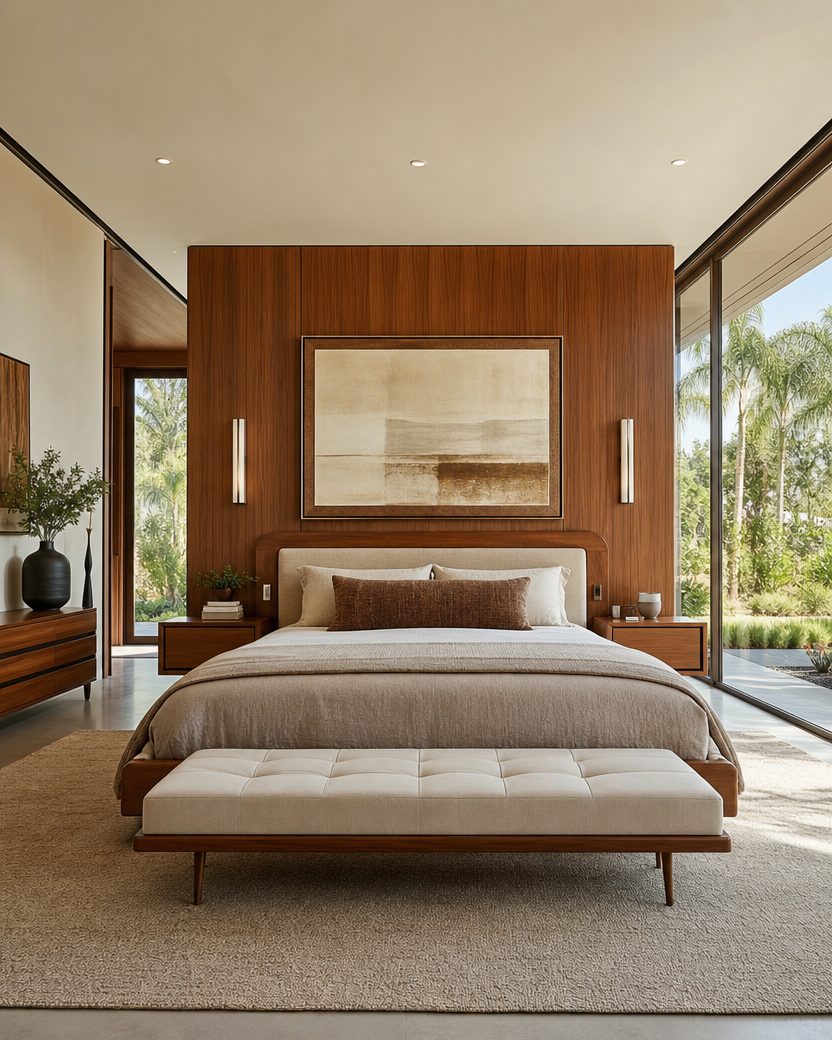
Designed in the 1950s and 60s, mid-century modern never really went away. Here's what makes it work — and how to use it without turning your home into a museum.
Mid-century modern (MCM) came out of the postwar optimism of the 1950s and 60s: clean lines, new materials, and a belief that good design should be functional and available to everyone. Seventy years later it still looks current, which is the best argument for it there is.
What defines the look
- Clean, organic lines — simple silhouettes with gentle curves.
- Warm woods — teak, walnut, oak, often with iconic tapered legs.
- Function first — every piece has a clear purpose.
- Bold but balanced color — used as accents, not everywhere.
The palette
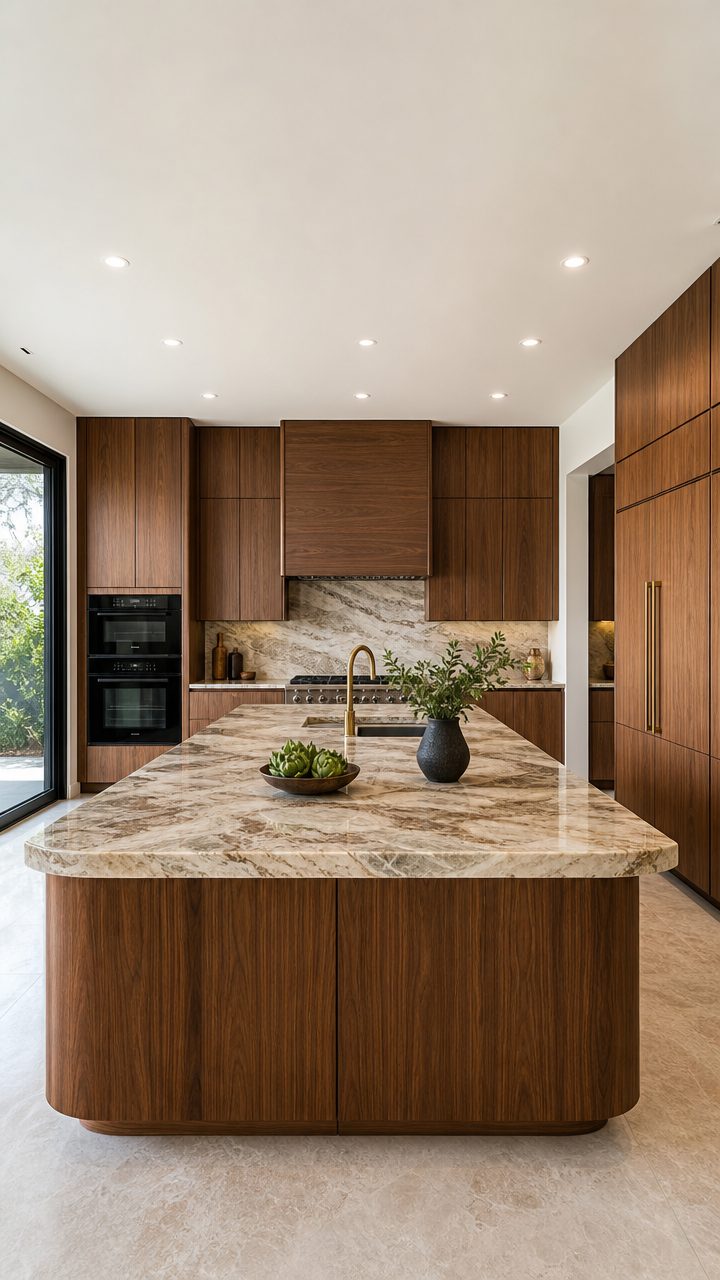
Warm, grounded neutrals — wood tones, cream, tan — lifted with confident retro accents: mustard, burnt orange, olive, teal. The accents are what make it feel MCM rather than generic modern.
Materials
Rich woods, leather, molded plastic and metal, glass. A mix of warm and sleek is central to the style.
Furniture and layout
Statement pieces with tapered legs, low profiles, and iconic shapes. Give them room to breathe — MCM is uncluttered, and a few great pieces beat many mediocre ones.
How to keep it current
Mix MCM with softer, contemporary elements so it reads as your home, not a set. A little goes a long way — one or two hero pieces can anchor a whole room.
Mid-century modern has outlasted every trend that tried to replace it — proof that clean, warm, and functional never really goes out of style.
Is mid-century modern your style?
Many people are an MCM blend — mid-century-scandi or mid-century-boho. Noma's quiz names your mix and builds a palette to match.
Find your mid-century blend
Take the free quiz and see your exact style — then design every room around it.
Related: how to find your interior design style and how to make your whole home feel cohesive.